 |
| Via 3Dprint.com |
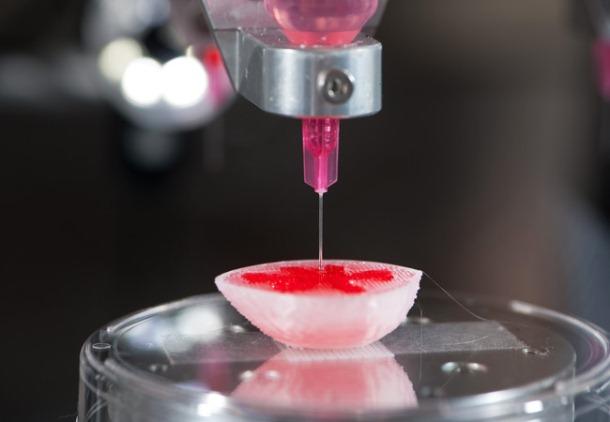
Sadly, its not as simple as that. Some of the time, the body will reject the created organ because it is not close enough to the source. Think about how the body won't accept normal transplants, the living transplant was grown on a human by a human, much less foreign than a piece of bio engineered substance, it must be done to perfection to be able to print a organ correctly. It is also extremely hard to create the actual functioning organ, this is the other big concern about organ transplants. We have to think about form and function for this, they can create the form of the organ but it is too difficult to create the exact function of an important organ like a liver or a heart. We can create tissue right now but are no where near close to getting a full organ. This could be the answer to all of our organ issues but it requires much more research before it can be fully put into plan and action. There is a possibility that we could never get the biological ink correct and these artificial organs will never be created perfectly and some people won't be able to accept them, but those are the chances we must take to save the thousands that die each year. First we must ask ourselves if it is really worth it to embark upon a research project that could have a dead-end. Then we must consider if maybe taking a whole new route to the problem is necessary, I believe that if we keep on looking for more opportunities we can discover something that will save thousands.

No comments:
Post a Comment